

by Matt Hilton
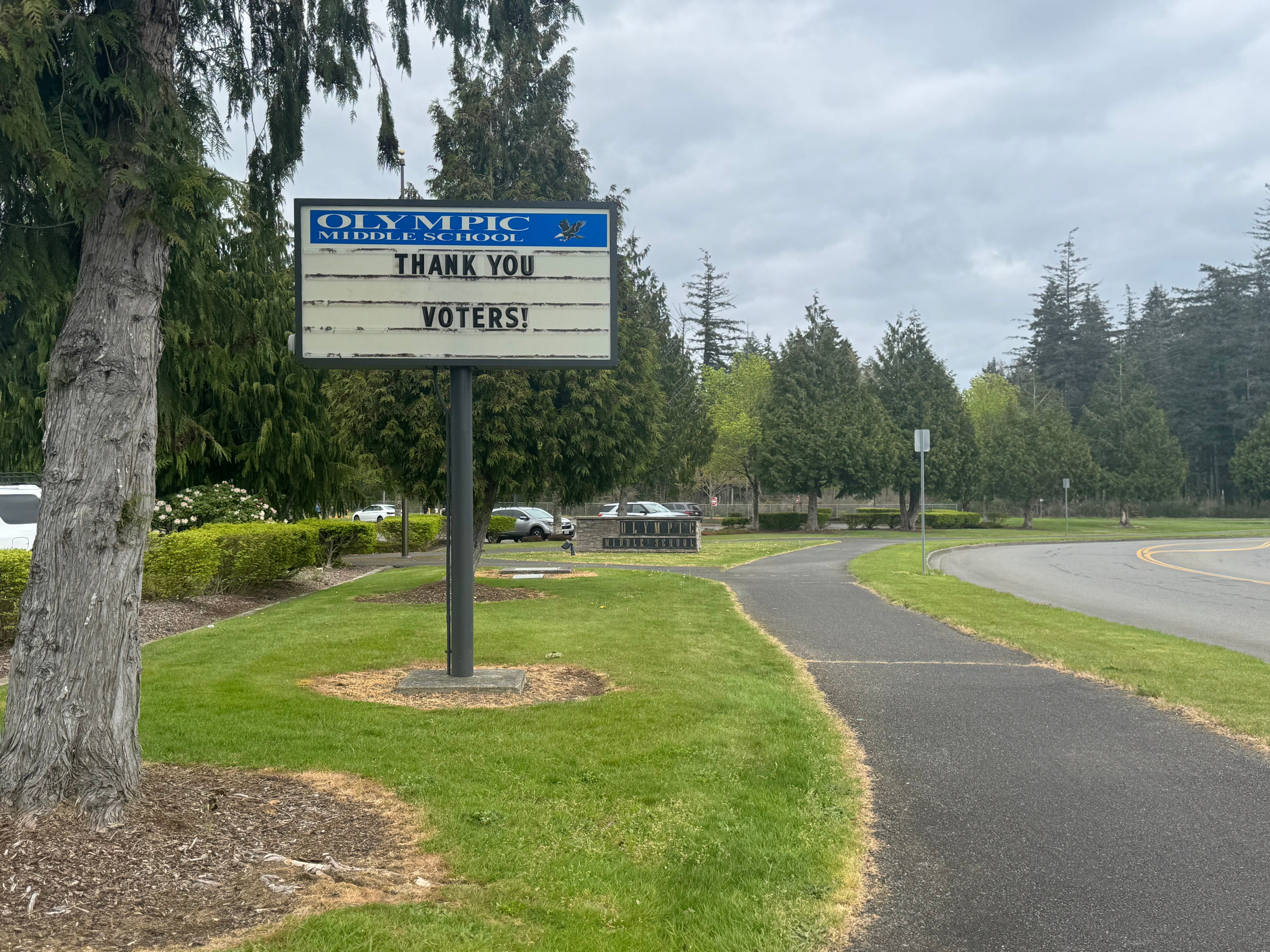
Following weeks of budget uncertainty, the Shelton School District has determined that a board-approved reduction in force (RIF) will not move forward. The district shared that enough staff members retired or resigned to avoid layoffs for the upcoming school year.
This is a relief to teachers and students. Yet lower enrollment, state cuts, and district administration priorities means this problem is not fully solved. And a question remains: Why was a RIF proposed even after voters approved a local levy?
What Happened
On Feb. 10, Shelton voters passed a local levy to preserve school programs and protect staff jobs. The community groups Citizens for Shelton Schools and the Shelton Education Association (SEA) informed the public about the importance of the levy through door-knocking outreach and a social media campaign. The levy passed with 62% “yes” votes, a victory for supporting Shelton schools.
However, after the state budget, federal cuts, and enrollment estimates were finalized, it was apparent that the school district still faced a budgetary setback. “Once the levy passed, there was some relief. And then we were told the RIF was going to happen,” said Nick Sanders, Oakland Bay Junior High teacher and SEA president.
At the March 24 school board meeting, Superintendent Wyeth Jessee and Executive Director of Financial Services Clinton Sherman proposed a RIF for the upcoming year that would affect two to five staff members. The school board approved the RIF, with board member James Dale abstaining.
Educators were unsure of their positions. “I’m sure some people were preparing to look for a new job. It’s usually people on the lower end of the seniority list. ... But not always; last year, we had a teacher that was RIF’ed, and she’d been in the district for 8 or ten years,” said Sanders. “She didn’t leave on her own account.”
At the April 28 school board meeting, Superintendent Jessee announced the district would not move forward with the RIF due to “the way staffing moves had transpired. ... We had some staff going out on leave, or moving on to other districts, moving out of the area.”
The new RIF proposal came just a year after the school district initiated a previous RIF in February 2025. The levy was intended to preserve status quo at the district, yet other budget factors outweighed the levy’s projected funding. Student enrollment has declined due to a “lack of newcomers, a drop in birth rate, and some parent choice,” said Sherman, bringing enrollment numbers below where they were during COVID-era school closures.
Additionally, state funding has changed. Local Effort Assistance (LEA), which matches levy dollars for largely rural areas, was cut statewide, leading to a $400,000 reduction for Shelton schools. The state’s 2.6% implicit price deflator, meant to keep up with cost-of-living adjustments, does not match actual inflation.
Federal funding has also decreased. Office of System and School Improvement (OSSI) grants were cut by more than $500,000. McKinney-Vento funding, to support houseless and foster children and youth, was reduced by $55,000. The district will continue to support these students despite the funding loss.
All these changes have created challenges in maintaining the budget. At the beginning of the 2025-26 school year, the Shelton School District has a negative fund balance of nearly $2 million and are projected to reach a positive $1.5 million for the upcoming 2026-27 school year. The district’s fund balance target is in the $7.5 to $8 million dollar range.
Without these funding losses from state and federal programs, the levy would have allowed the district to keep existing staffing levels. Without the levy, the cuts and RIF would have been much higher and more disruptive.
Moving Forward
When asked whether he believes the district is prioritizing classrooms and staff, Sanders said, “We’re headed back in the right direction, since we’re not doing a RIF. But I guess we’ll just have to wait and see what next school year brings. Of course, through bargaining, that’ll help shape what next school year looks like.” The Shelton Education Association is currently undergoing bargaining, as their current agreement ends in August.
At the April 28 school board meeting, SEA Vice President Robin Clarey spoke to the superintendent and board members, with several red-shirted teachers behind Clarey in support.
“We are happy the district made the choice to invest in classrooms and our students. That’s what the community voted for,” Clarey said. “Going forward, we will continue to use this forum to openly communicate with the board. We look forward to working together [to] navigate the district’s ongoing budget crisis while prioritizing students and classrooms.”
Sanders expressed that SEA representatives plan to speak at school board meetings for the rest of the school year. “I think the best way for the community to support the schools right now would be to come to school board meetings. Share their experiences as parents, family of students, and current students ... Let (the school board) know what they like about what’s going on in schools right now, what they’d like to see change. ... I think when people don’t show up, then the school board thinks everything’s fine.”
School board meetings are often available online (Shelton, Olympia, Tumwater) and public comments can be made in person or remotely.