

by Lin Nelson
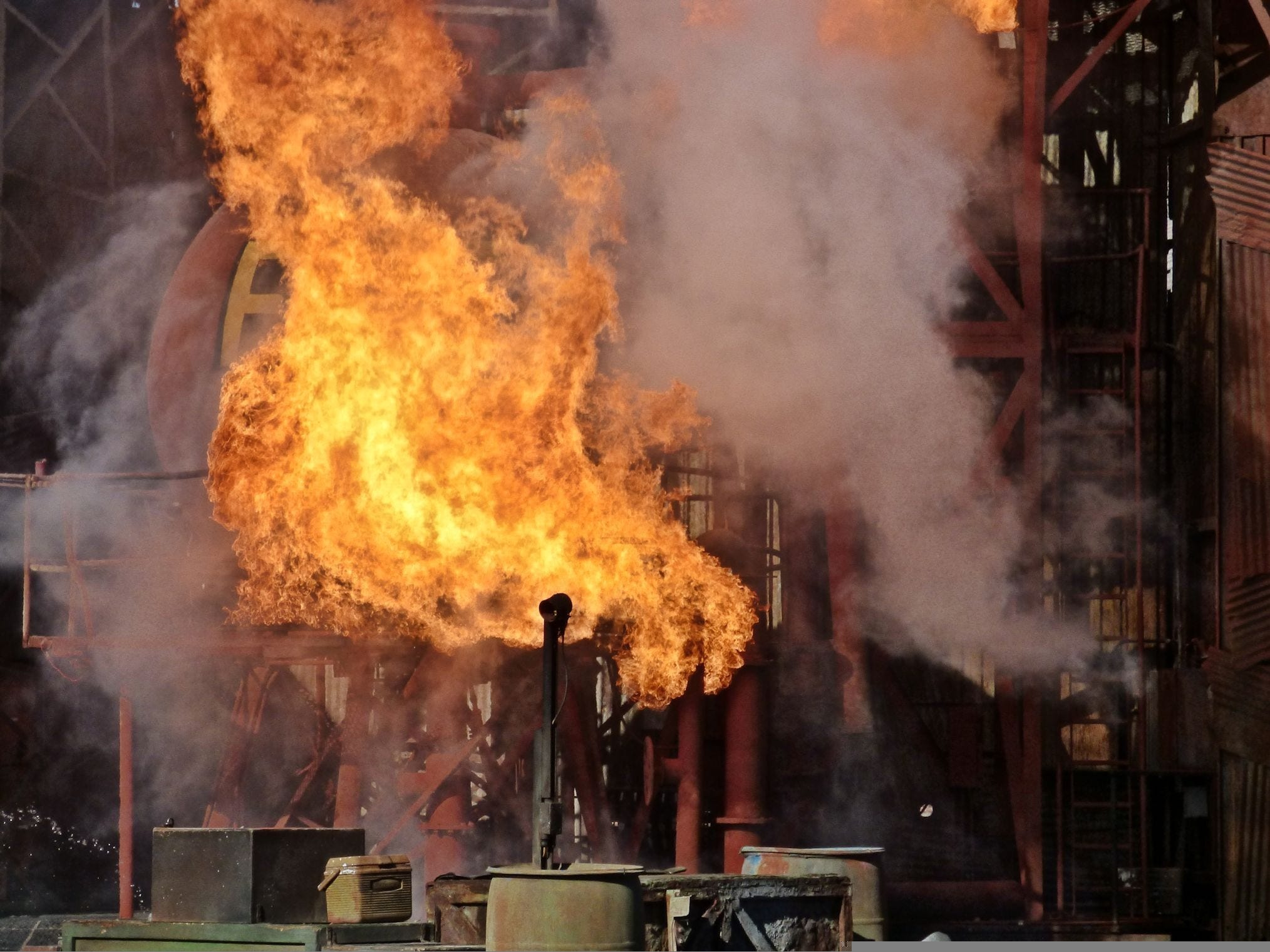
What we face in America today: immigrant communities torn up, detained, deported; nagging economic insecurity afflicting the majority of Americans; continuing strains around reproductive rights and the health of new parents and children; the injustice and costs of faraway wars; growing threats of climate change, nuclear assaults, and global AI. And last but not least, the often ignored threats to health, incursions on rights, and loss of life emerging from our workplaces.
We have a long history in this country of weak or threatened labor rights, coupled with a long history of shaky, poorly supported health services, especially in the arena of worker and environmental health. Amidst everything demanding our attention, conditions that shape our work lives are often low on the list. As the September WIP article Labor Daze and Class Struggle points out, the idea of “work/life balance” can sometimes end up meaning we don’t pay enough attention to our work life. It’s as if we are living out the TV nightmare of Severance where we go to work, live it as if we’re a separate person, leave, and let go of all we learn in our work lives. Then suddenly the workplace as a vital, sometimes dangerous site demands our attention.
On May 26, 2026, a shocking story came out that a chemical a tank had exploded in a Longview workplace, killing one and injuring nine. It was later revealed that eleven people were killed in the explosion.
These reports were followed by press conferences, agency alerts and community voices about the magnitude of what was called an accident, incident, disaster, or catastrophe.
What Happened?
Early in the day on May 26, as the new work shift was gathering, the “white liquor” tank — a key element in the production of paper packaging — failed, setting off an explosion that caused a building collapse. Workers ran for their lives, some survived, many perished. When something like this happens, it is critical to understand why. While emergency medical staff tried to save lives and environmental experts tracked the impacts of the explosion on nearby streams, questions began to emerge. It was clear early on this was an event of great magnitude. Governor Ferguson said, “We’re bracing ourselves for this being the deadliest industrial tragedy in modern Washington State history.” KUOW reported that a federal source characterized it as “one of the deadliest US workplace disasters in recent decades.”
In a working community like Longview, home to two major paper production sites, almost everyone has some connection — across the generations — to that industry. The paper mill, owned by Weyerhauser until 2016, is now owned by Nippon Dynawave Packaging (NDP). Amidst all the statements, questions, and claims about the incident, Nippon has deflected and deferred public comments. Key agencies tangle with the lingering questions of how this happened, whether there were conditions that should have alerted facility operators, and whether anything could have been done to prevent this.
This is both a horrific event and a haunting story. The community has been agonized by the loss of life, the now tormented local economy, and questions that persist. The union at the plant, the Association of Western Pulp & Paper Workers (AWPPW), is supporting the families who are struggling with their loss and the broader workforce of 500+ people, most of whom are on leave. They are receiving some financial support from NDP, but the future of the facility, and of the community, remains unclear. On a rainy Saturday in June, folks from around the region gathered on I-5 overpasses as an ambulance procession made its way from the Seattle coroner’s office to take the lost workers back home to Longview. “Home” for the people of Longview is a complicated zone of both comfort and danger.
How Can We Regional Neighbors Pay Attention to What Has Happened?
How can we recognize the community’s loss and the families’ anguish? And how can we show our support? We can connect through the union support network. We can dedicate some element of our over-extended attention to what the community and union asks of its regional neighbors. And we can learn from those who are investigating the event as we develop a stronger sense of protection, prevention, and just compensation in workplaces near and far.
Washington state has a state-based Occupational Safety and Health (OSH) system, which provides the baseline of protection for workers’ health (identified as at least as good as federal OSHA, which of course is on shakier ground in Trump-times). Washington also requires workplaces with over 10 employees to have labor-management safety-and-health committees. With our comparatively strong labor movement and impressive OSH related professions (occupational medicine, industrial hygiene, epidemiology), we should be in good standing. The Longview incident reminds us of how much work still needs to be done in making worker/environmental health a top priority.
A persistent, challenging element in a situation like this is what to call it. The word “accident” is cause for dispute because it suggests an event has no identifiable cause or protagonist. The idea that things “just happen” takes our attention away from the urgently needed process of figuring out the chain of causality, holding those responsible accountable, and strengthening our capacity to prevent other tragedies. And while we here in Washington have a reasonable set of conditions (agencies/principles, labor activism, scientists), we need to see ourselves as part of a global condition of people struggling to prevent occupational and environmental harms. From Washington to Mississippi to rural Bangladesh, we need to shape our learning to be quickly shareable and impactful. What has happened here in Washington is of vital interest way beyond our state and national borders.
What Next?
The much needed investigations can be challenging for the broader public to follow. The Washington State Department of Labor & Industries is scheduled to deliver its findings by November 22. In late August, the Department of Ecology issued 35 violations regarding air and water contamination. The Washington State Office of the Attorney General is conducting its own investigation. At the federal level the U.S. Chemical Safety Board has been issuing preliminary assessments, with a final report expected a year after the accident.
Rick Engler, a longtime occupational health analyst and advocate who served on the Chemical Board during the Obama Administration, reminds us of this federal perspective:
Unlike OSHA, a regulatory agency, which enforces safety and health standards and issues citations and penalties to employers for non-compliance, the job of the non-regulatory U.S. Chemical Safety and Hazard Investigation Board (CSB) is to determine the underlying causes of major chemical incidents, regardless of whether legal standards apply. The most significant CSB investigations offer more than technical descriptions of what happened, such as how a tank imploded. They look at economic pressures, management failures, and regulatory gaps that explain why the incident occurred and thus can offer ways to prevent future ones.
This is a lot for the community to try to make sense of. What is clear so far is that there seems to be emerging evidence that this event didn’t “just happen.” A key finding from CSB and others is that in July 2025 Nippon had been alerted by an inspector that the tank had thinned below minimum safe thickness — and nothing was done about it. In late August, Oregon Public Broadcasting reported that at least one worker reported that the tank wasn’t in good working condition. In an interview with KIRO on Aug. 20, UW Occupational/Environmental Health scientist Marisa Baker stated that what needs to be more fully investigated is whether there was an effective culture of workplace-risk reporting, and whether the surviving injured workers need to have their health carefully watched for long-term impacts of the exposure.
And so the investigations will go on, with the intermittent release of reports from state and federal authorities. Not surprisingly, some families are looking into possible lawsuits to secure some justice and compensation, to honor their loved ones, and strengthen our understanding of what happened. The labor community, especially AWPPW, will continue to be a voice for guidance about the needs of the impacted families and the Longview community, and the lessons to be learned about protecting workplace health rights.
Jessica Martinez, Executive Director of the National Council for Occupational Safety and Health (COSH), offered these thoughts:
Eleven workers lost their lives in Longview, leaving behind grieving families, injured coworkers, and a community forever changed. No family should have to experience this kind of loss simply because someone went to work. Yet across the country, occupational safety and health remains severely under-resourced. We urgently need stronger government enforcement and more inspectors, but we must also invest in the worker leaders and community-based organizations, including COSH groups, that provide critical safety education, outreach, and training. Too many workers still lack the information and support they need to understand their rights and speak up about dangerous conditions. Protecting workers is a public health responsibility, and prevention must be a priority before another family or community experiences such a devastating loss.
Most workers are now returning to work. As they head in for their first day back, they’ll pass a memorial to the fallen workers. Many hope that there will be a “community healing.”
Lin Nelson is a member of the Advisors Group to the Council for Occupational Safety and Health (COSH).
Additional Readings and Resources:
WA Dept of Labor & Industry: webpage last updated 8/26
https://lni.wa.gov/agency/messages/response-nippon-dynawave-tank-rupture
(includes incident info, inspections, L&I news releases, family & worker support, response & investigation, resources)
WA Dept Ecology – Compliance & Enforcement webpage
Wikipedia overview, last edited 9/5/26, with news coverage from 5/27 to 8/28.
https://en.wikipedia.org/wiki/2026_Longview_paper_mill_disaster
US Chem Safety Bd 8/26/26 Release.... July 2025 inspection of G tank revealed significant portions of tank shell thinned below minimum safety thickness.
KUOW, 8/28/26 US Chem Safety Bd 8/28 found info re: 7/25 inspection identifying repair needs.
8/28/26 PBS
8/24/26 OR Public Broadcasting.. focus on employee experience/comments:
https://www.opb.org/article/2026/08/24/longview-paper-mill-records-replacement-before-rupture/
7/21/26 KUOW 15 min story “What Justice Might Look Like after Deadly Implosion in Longview”....
6/8 statement from the AWPPW (Association of Western Pulp & Paper Workers) , with list of supporting agencies and organizations.
https://www.thestand.org/2026/06/awppw-statement-on-tragedy-at-nippon-dynawave/
10/12/26 KGW video