

by: Lalo Cuitzeo
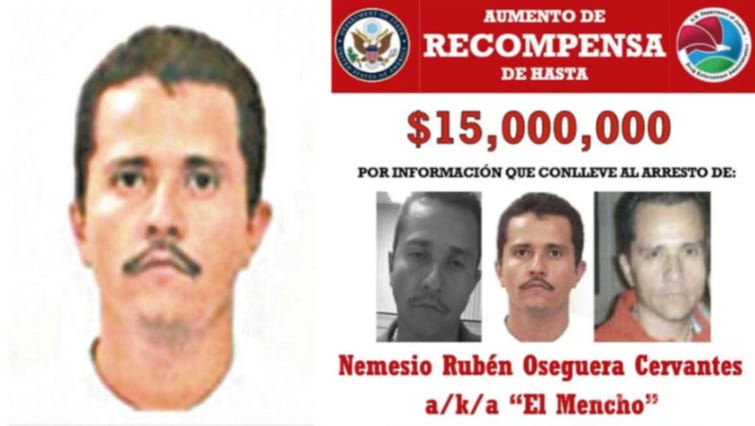
On Sunday, February 22, 2026, Mexican security forces raided El Mencho's compound in Tapalpa, Jalisco, killing him and seven other members of the Cartel Jalisco Nueva Generación (CJNG). El Mencho was the founder and boss of the CJNG, one of the most powerful international criminal organizations in the world. At the time of the early morning attack, the U.S. government had an active $15 million bounty on his head. For many people across Mexico, going out on el 22 de Febrero would become very treacherous.
The full fury of the CJNG was immediately unleashed after the killing, which launched a series of retaliatory strikes across Mexico. Fire consumed the streets of many cities, especially those in the State of Jalisco. The Mexican Secretary of Security and Citizen Protection, Omar García Harfuch, stated that on February 22nd that Jalisco was the state with the highest number of attacks against state and federal forces. Authorities in Jalisco also reported the greatest number of roadblocks, arson, and vehicle thefts. In the neighboring state of Michoacán, there were multiple shootouts between the CJNG and Mexican National Guard members, as well as blockades in 33 different municipalities.
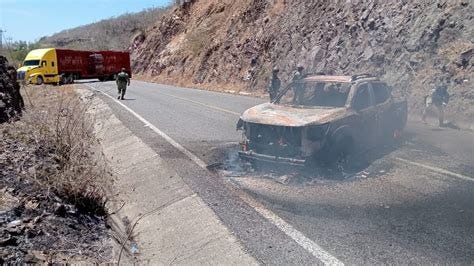
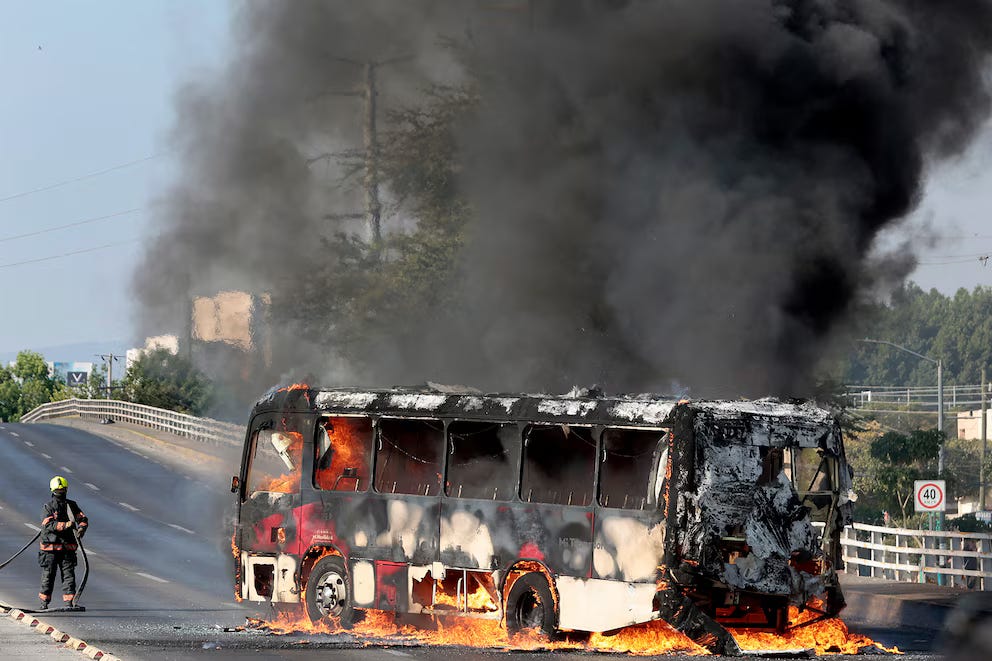
Throughout Mexico on that day, an estimated 600 cars, 200 semi-trucks, and at least 35 buses were stolen and set on fire to be used as street and highway blockades, shutting down key transit routes and bringing traffic to a standstill. The cities of Guadalajara and Puerto Vallarta in Jalisco saw the most concentrated instances of arson. Oxxo, the corporate convenience store chain owned by the same conglomerate that controls Coca-Cola, had many stores destroyed and set ablaze, forcing 6000 Oxxos across Mexico to close. Banks were lit up. A large vehicle crashed into the Ixtapa prison, part of a prison break that killed one guard and freed 23 prisoners.
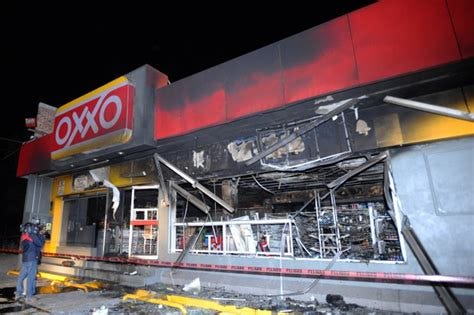
The CJNG response was fiery and deadly. Three Mexican soldiers were killed in the initial raid on El Mencho’s compound. 25 more Mexican National Guard forces, the guard at Ixtapa prison, and a state prosecutor official were killed in 27 separate attacks in Jalisco. 250 roadblocks across 20 states had been set ablaze. Almost immediately, U.S. officials began boasting about their role in the day’s chaotic events.
Shortly after the initial raid, a U.S. defense official told Reuters media that a U.S.-military-led task force played a significant role in the raid on El Mencho’s compound. “The Joint Interagency Task Force-Counter Cartel,” consisting of multiple U.S. law enforcement and intelligence agencies, compiled intel on El Mencho and provided it to the Mexican government to execute the attack. In the same Reuters article, former DEA agent Jack Riley said that President Trump’s designation of Mexican cartels as terrorist organizations last year began a new era of increased military involvement in Mexico. Regarding intelligence, surveillance and reconnaissance resources, the former DEA agent added that “our surveillance capabilities are going to be probably unlimited.” Even before the 22nd of February, the U.S. has had a long history of interfering in Mexican sovereignty.
U.S./Mexico Divide
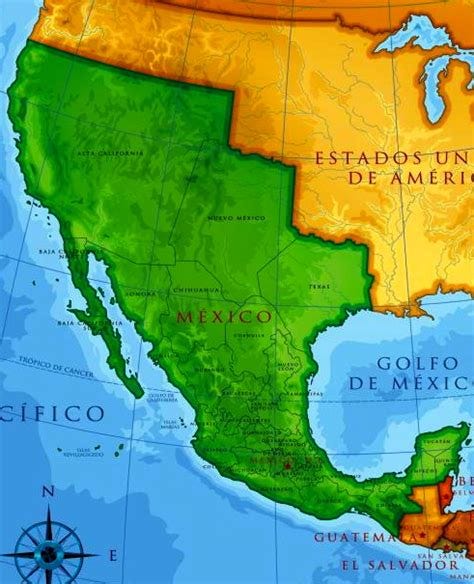
The U.S. has long interfered in Mexican affairs. In 1848, the U.S. military occupied Mexico City under the guise of Manifest Destiny, the imperialist justification stating that American settlers had a divine right to expand westward. The Treaty of Guadalupe Hidalgo was brokered under duress as part of a deal to end the U.S. military invasion. Through this treaty, the U.S. effectively stole 55% of Mexican territory, half a million square miles, in what became known as the Southwestern United States.
Since then, the relationship between Mexico and the U.S. has been tumultuous. To bolster the economy during World War 2, the U.S. implemented the Bracero Program bringing in an estimated 4.5 million Mexican guest workers to the U.S. from 1942-1964. Agricultural workers under contract to U.S. growers were subject to exploitative and harsh working conditions. To this day, family members of Braceros continue to seek unpaid wages.
Mexican people, in what is now the United States are a frequent target of nationalist and selective repression labeled as immigration enforcement. In 1953, the Eisenhower administration appointed army general Joseph Swing as the head of Immigration and Naturalization Services (INS), launching a brutal campaign called “Operation Wetback” that paved the way for U.S. agents to lay siege to the Mexican population within U.S. borders. In 1954, INS and Border Patrol tactics included descending on Mexican neighborhoods, demanding ID from anyone on the street who appeared Mexican, invading homes in the middle of the night, and raiding Mexican businesses. By 1955, after just over a year since the operation’s inception, an estimated 300,000 to 1 million people, including Braceros and Chicanos, had been detained and deported. These tactics are all too familiar in the present day.
La CIA en Mexico
In February 2026, a senior U.S. official said that the “CIA was instrumental in removing El Mencho.” This is yet another chapter in a series of CIA activities in Mexico that dates back to the 1960s.
A CIA document from 1965 outlines the mission directive for the CIA in Mexico, describing a focus on leftist activities. A specific directive was outlined to infiltrate youth groups in Mexico and combat “ultra-nationalistic and anti-U.S. activities in Mexico.” This surveillance was described by the CIA as “one of the most extensive and expensive unilateral technical collection programs conducted by the Agency.”
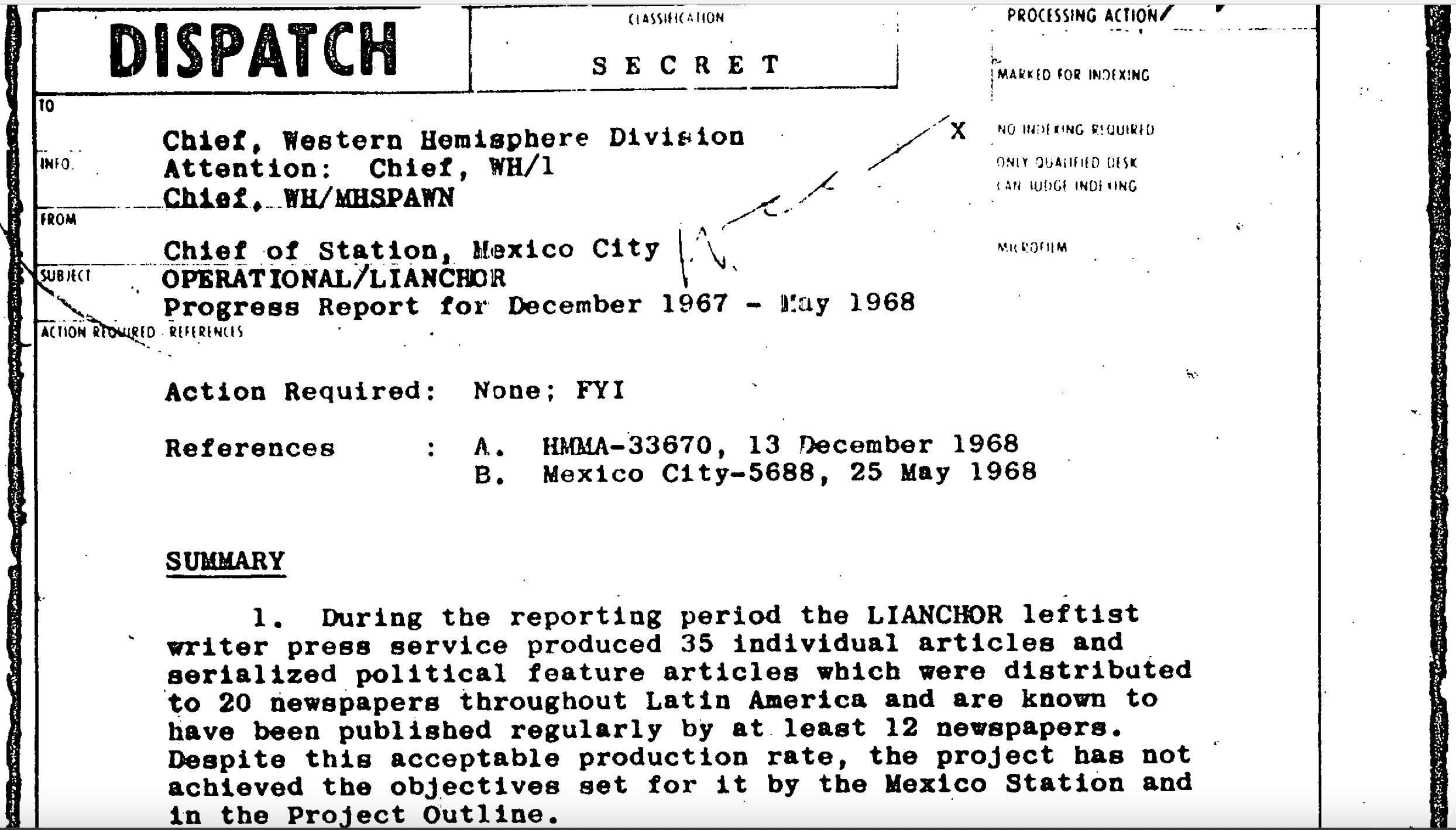
Programs were designed to monitor leftist ideology, including the CIA operation known as LIANCHOR. Under the guise of a leftist press service, the CIA’s Mexico station secretly managed the recruitment of writers to author political articles, which would then be distributed to several Latin American countries so that the agency could keep track of regional opinions about communism. The well-known Mexican magazine Diálogos was infiltrated by the CIA through an undercover agent working as one of the magazine’s publishers, who would inform on the country’s left-leaning base to U.S. intelligence agency.
During this time, the Mexican government would clamp down on social movements by collaborating and utilizing the CIA’s surveillance apparatus to spy on elements of the resistance, targeting intellectuals, student and labor organizers, and political opposition members.
War on Drugs
The intervention from the U.S. in Mexico continued into the 1970’s and beyond, with the supposed justification shifting from fighting communism to combating drugs. Since Richard Nixon first declared drugs “Public enemy No. 1” in 1971, the U.S. has spent over $1 trillion on the so-called “drug war.” DEA operations include criminalization and draconian sentences in the U.S., as well as counter-insurgency and mass surveillance in Mexico and the rest of Latin America.
The drug trade, and the organizations that control it in Mexico, represents an industry that brings in billions of dollars annually into an economy where the minimum wage is a fraction of what is on the other side of the northern border, el otro lado. This underworld offers people a chance at resources otherwise unattainable, and brings in collaboration from nearly every facet of society, including some of the same Mexican government forces tasked with fighting drug organizations.
While the U.S. often operates with impunity on foreign lands, there are exceptions where the U.S. takes losses. On February 7, 1985, American DEA agent Enrique “Kiki” Camarena was captured by members of a drug organization in Guadalajara, a major center of drug operations in the 1980s. His dead body was found 4 weeks later in La Angostura, Michoacán.
Just as Manifest Destiny was used as cover for the imperial conquest of over half of Mexico’s land, and immigration enforcement is the supposed justification for the trillion dollar detention and deportation system, the “War on Drugs” has been used as cover for mass incarceration, border militarization, and the infiltration and destabilization of Mexico and other sovereign lands.
Violence in Mexico is also fueled by the immense drug demand from people within the U.S. Illicit drug use is over 7 times higher in the U.S. than it is in Mexico. According to a 2023 World Population Review study, approximately 3,815 people per 100,000 use drugs in the US, compared to 523 per 100,000 in Mexico. This leads to clashes for territory, drug routes, and influence. Wars between various criminal organizations, and government forces throughout Mexico are commonplace.
Gun violence across Mexico is carried out almost exclusively with American made weapons. An estimated 135,000 firearms are trafficked from the United States to Mexico annually. Studies show that over 80% of the arms seized in Mexico originate in the United States. Arizona has become the main source and corridor for arms trafficking to Mexico. Mexican authorities have confiscated more firearms in Sonora, just across the border from Arizona, than in any other Mexican state.
Al Otro Lado
People are forced to flee from the violence and instability caused by armed conflicts like the events of February 22. Relocating al otro lado, to the U.S., the wealthiest nation in the world, is often the only viable option for survival. Once in the United States, many refugees and immigrants face the reality of living without access to social programs and under constant threat from an erratic and violent immigration police force. Terrorized by a brutal and belligerent Department of Homeland Security (DHS), immigrants and non-immigrants alike have taken to various forms of resistance to drive these occupying forces out of their communities. Solidarity approaches have included neighborhood organizing, documenting government agents and vehicles, alerting community members through whistles, group chats and social media, as well as more direct, confrontational approaches such as disabling vehicles, de-arrests, and physically engaging with agents.
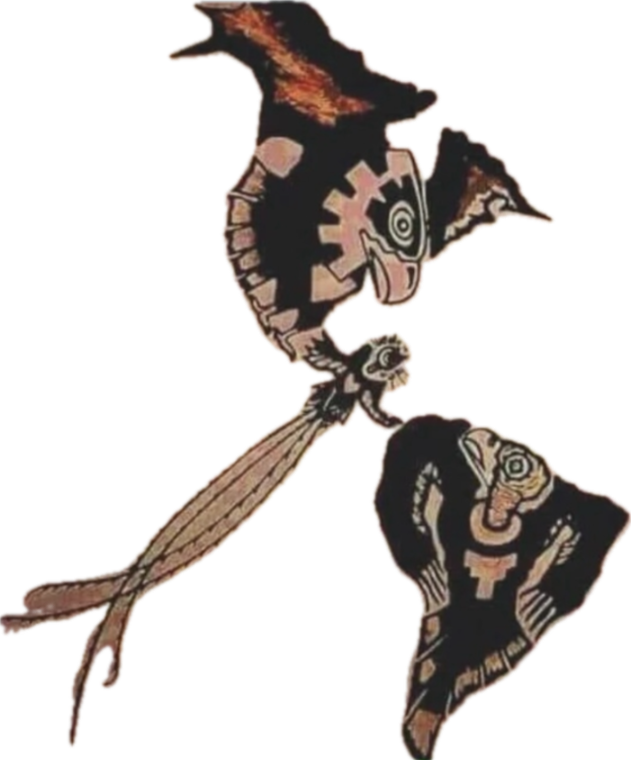
Many indigenous groups of the western hemisphere speak of the ancient prophecy of the Eagle and the Condor. These two birds who once flew in the same skies until the early 1500’s when the eagle, representing the northern land’s emphasis on power and expansionism, split away from the condor, which represented the southern region’s focus on culture and tradition. U.S. dominance of the region comes in the form of surveillance and violent intervention, presented as noble assistance. As the U.S. continues to export destruction and inequitable economic policies onto Mexico and the rest of the world, people will continue to exercise their freedom of movement in search of a better life.