

by Kylie McQuarrie
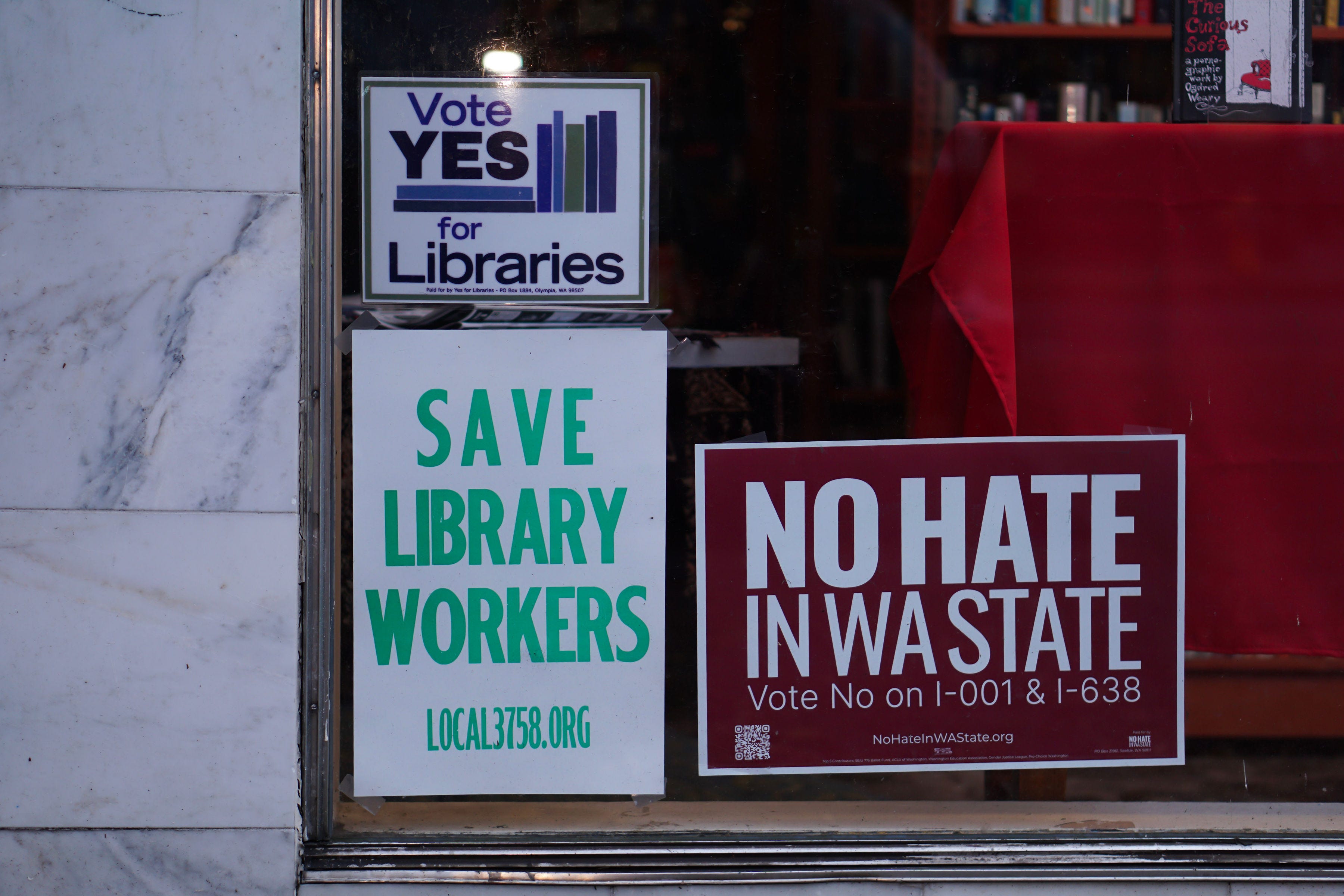
Results are unofficial* as of this writing, but the Timberland Regional Library (TRL) levy lid lift is an almost certain success with 55.5% of voters approving the $0.13 property tax increase.
Previous administrators were sure it wouldn’t pass — they were wrong
This time last year, the previous TRL administration was on the verge of going public with a massive budget crisis: a $3.8M deficit that they aimed to rectify by laying off 40% of frontline staff, shortening open hours, and closing three rural branches. A levy lid lift —Washington’s built-in mechanism for funding libraries — wasn’t on the table as a solution (and hadn’t been for years). Then-director Cheryl Heywood seemed convinced Timberland’s users would never approve a tax increase. “We knew it wouldn’t pass” said Heywood when she dismissed the idea in a September 2024 board meeting.
It took months of grassroots campaigning, an administrative overhaul, and sustained pressure from engaged community members and library workers. But the community’s vote is a harsh rebuke of the former director’s doom-and-gloom mentality. Residents proved that when given the opportunity to support their libraries, they would — and they’ll start to see direct benefits almost immediately.
More staff, open hours, and materials coming soon
During a Board of Trustees work session at the end of October, interim director Andrea Heisel presented her service plan for the library’s future based on two scenarios: the levy lift’s success and failure.
The first stage of the ‘success’ scenario starts this month with the immediate goal of hiring staff for rural branches that were hit hard by budget and staff reductions. In January 2027, Timberland Regional Library would focus on hiring and training staff to reopen the Naselle branch. In March, they’ll start planning to hire substitute librarians again. Extended open hours will start rolling out in June, which is also when administrators hope to start hiring staff who can eventually support a reopened South Bend branch. (The timeline on South Bend reopening is still undetermined, but the fact that the library is already factoring new branch staff into the budget is an extremely good sign.)
Spending on library materials will also increase, which will allow the library to expand its collection and shorten wait times for on-hold items. Some money will go towards improving library facilities, but rather than spending that money on surface-level “refreshes,” the library plans to invest in enhancing their relationship with the community based on local input.
All five counties want to see libraries succeed
With the exception of Lewis County, every county won a majority “yes” vote. Even in Lewis County, which had a majority “no” vote, margins were notably slim. During the failed 2009 levy lift, only 29% of Lewis County voted “yes.” This time around, more than 45% did. Since the library measure only needed 51% of voters across all five counties to approve the lift, every single Lewis County “yes” vote contributed to the library’s multi-county victory.
In 2009, only Mason and Pacific counties were able to secure majority “yes” votes while the majority of Thurston County voted “no.” In that vote, Thurston’s larger population size effectively ensured the levy’s failure. In 2026 however, 61% of Thurston County’s electorate voted in favor of the levy. This spike represents a positive trend that bods well for TRL’s future.
The takeaway
Before this week, we couldn’t guarantee the 500,000+ people living in the TRL’s district that they would still have libraries this time next year. This month, we ensured they would. And by the end of next year, we might have a library system that isn’t just surviving but thriving.
One last thing: if you voted yes, thank you.
*The levy lid lift was passed on November 3rd, 2026. The article was written and submitted before the final results had been tallied.
Kylie McQuarrie is the co-founder of the Patron Coalition for Local Libraries (PCLL), a grassroots organization committed to supporting a thriving, successful five-county library system.