

by: Caelen McQuilkin
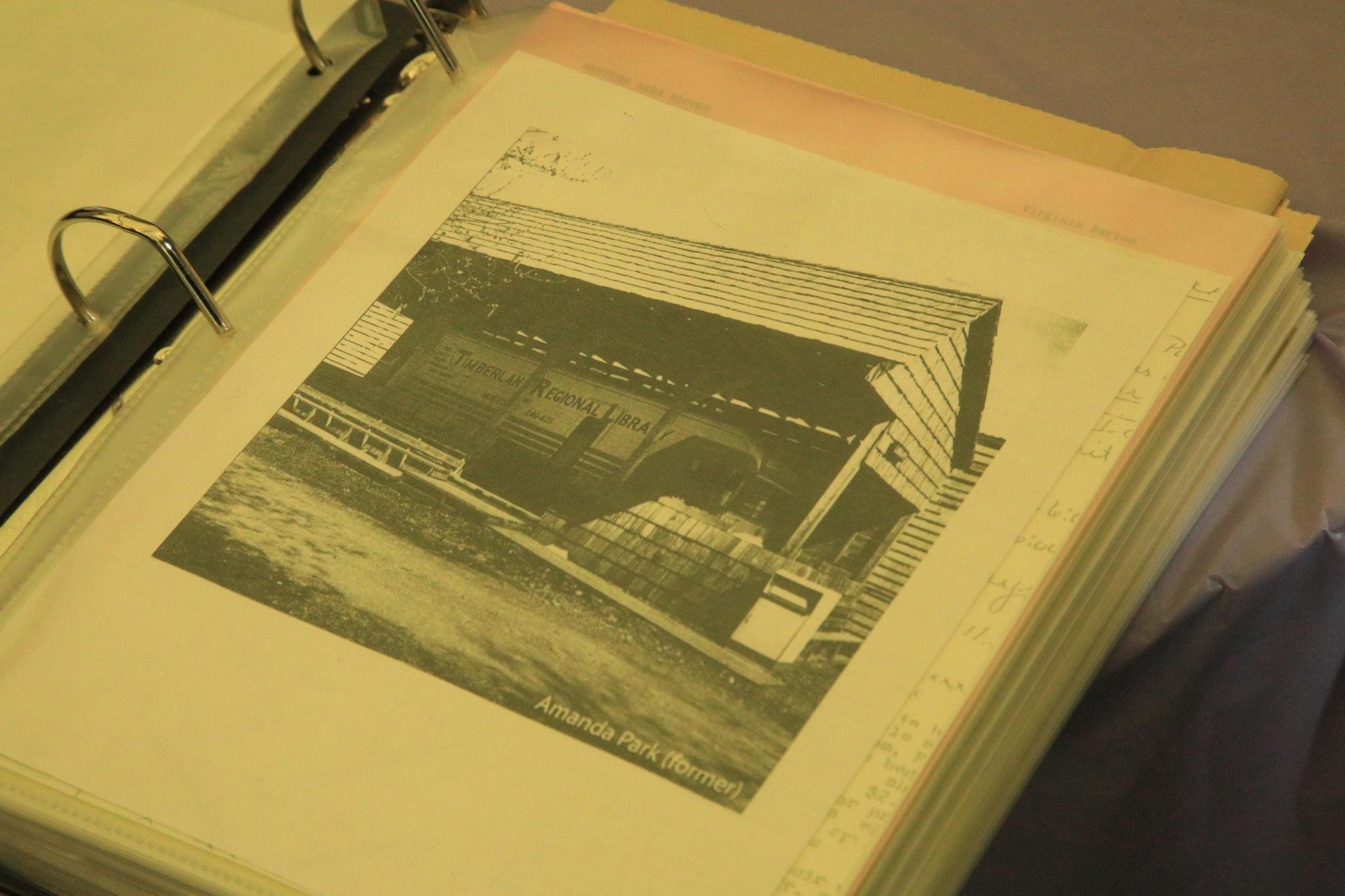
“Many of you signed the petitions placed in local stores recently and these have been delivered to the Timberland Board. But the power of individual letters is mighty indeed and a few letters to follow up the petitions might mean the difference in getting a library. So how much do you want it? Tell the board,” reads an article in the 1973 issue of The Quinault Rain Barrel, a local newspaper in the Amanda Park community.
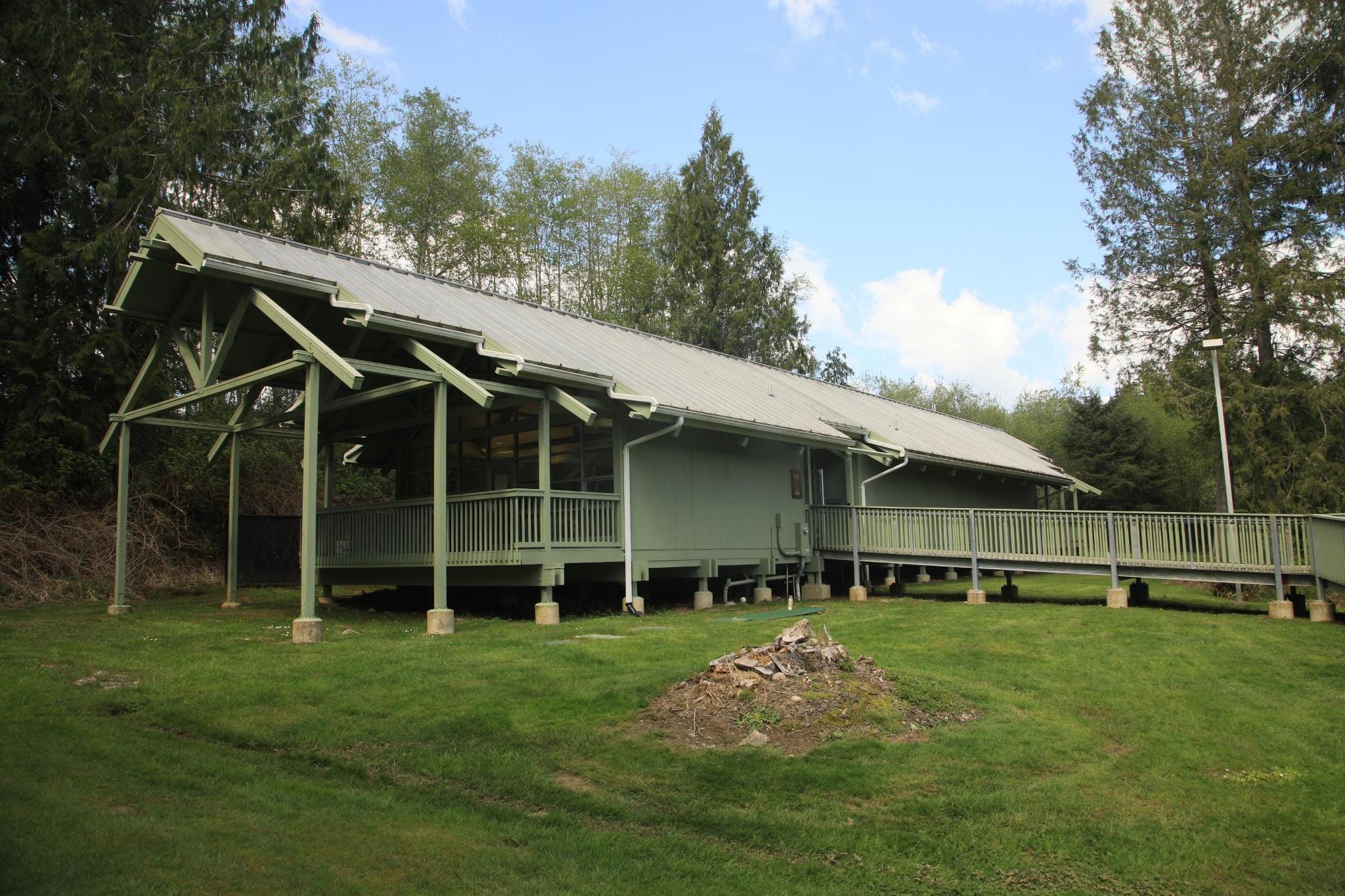
Four years following the letters and petitions, the first Amanda Park Timberland Regional Library branch opened as a bookmobile by the Lake Quinault School. In 1991, the branch was expanded into a permanent building with full services and community support for the local library has continued strongly since then, but in the past decade the Amanda Park library has faced at least three threats of closure or major cuts. Community members have been continually forced to remind the board and administration why the library is important to them, just as they did in 1973.
Today, patrons across the entire Timberland Regional Library (TRL) system are hearing calls to protect local libraries from staffing cuts and closure. After the TRL admins announced a budget shortfall of about $3.8 million in January 2026, they attempted to lay off 61 frontline staff and transition three rural libraries to unstaffed libraries only accessible to “Expanded Access” (EA) card holders.
This existential threat to the library system produced massive public backlash, which skilled organizers channeled into a highly visible union campaign and the creation of a brand new organization called the Patron Coalition for Local Libraries. The Patron Coalition and AFSCME Local 3758B, the union which represents most TRL workers, have since built a strong coalition that opposes these cuts to staff and important library services. They pushed Executive Director Cheryl Heywood to resign on March 25, and later, on April 15, the TRL administration agreed to pause 80% of the proposed layoffs, reducing involuntary layoffs to 8 employees. Then, on April 24, the TRL administration buckled under immense pressure and announced an almost complete reversal of the plan to switch three rural libraries to entirely unstaffed EA hours — the branches will now remain staffed and open at least three days a week.
How are the union and Patron Coalition organizing so effectively? Part of the answer to that question lies in stories from rural branches like Amanda Park, which the union and Patrons Coalition center in their ultimate objective to keep all TRL libraries open and fully staffed.
Rural TRL branches have long been made to articulate the value of their services in opposition to the TRL administration’s increasingly business-centered models. Their understandings of the core value of a library — conversation, community building, and access to information — sit at the core of the ultimate objective for those now organizing to save all TRL libraries.
Stories from Amanda Park & Other Rural Branches
The TRL system provides the Amanda Park branch with more resources than local property taxes could. This allows for a wider book collection, engaging programming, and library staff dedicated supporting patrons with questions, research, and technology.
In March 2026, the Amanda Park library was slated for a transition to complete Expanded Access (EA) hours, meaning the building would have no staff and patrons could only enter if they apply for a designated EA card, which requires patrons to be above 14 and have a verifiable address, among other restrictions. But on April 24, the Amanda Park community received the news that the library will remain open and fully staffed on Tuesdays, Wednesdays, and Thursdays, and use EA hours the other days of the week.
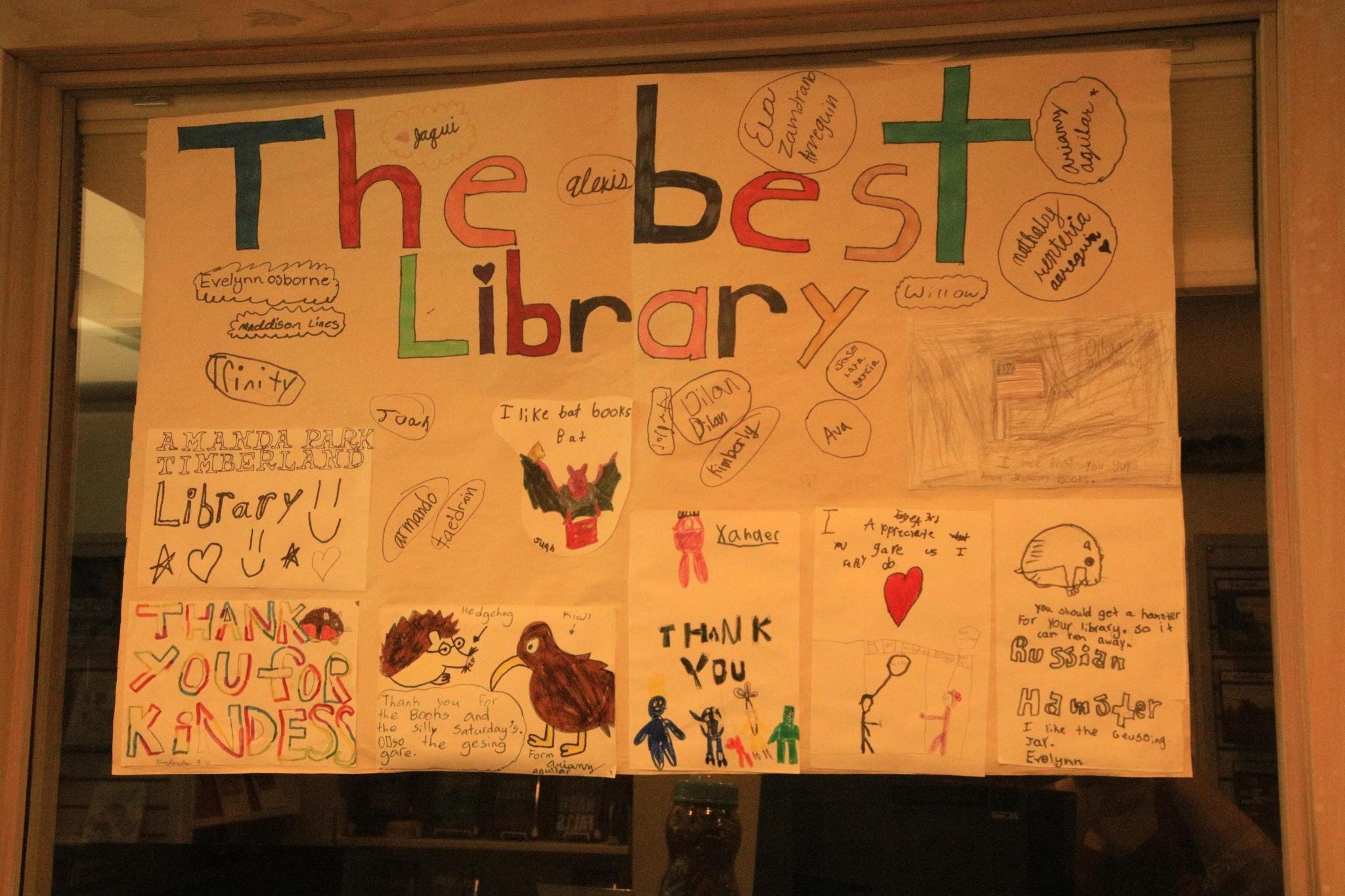
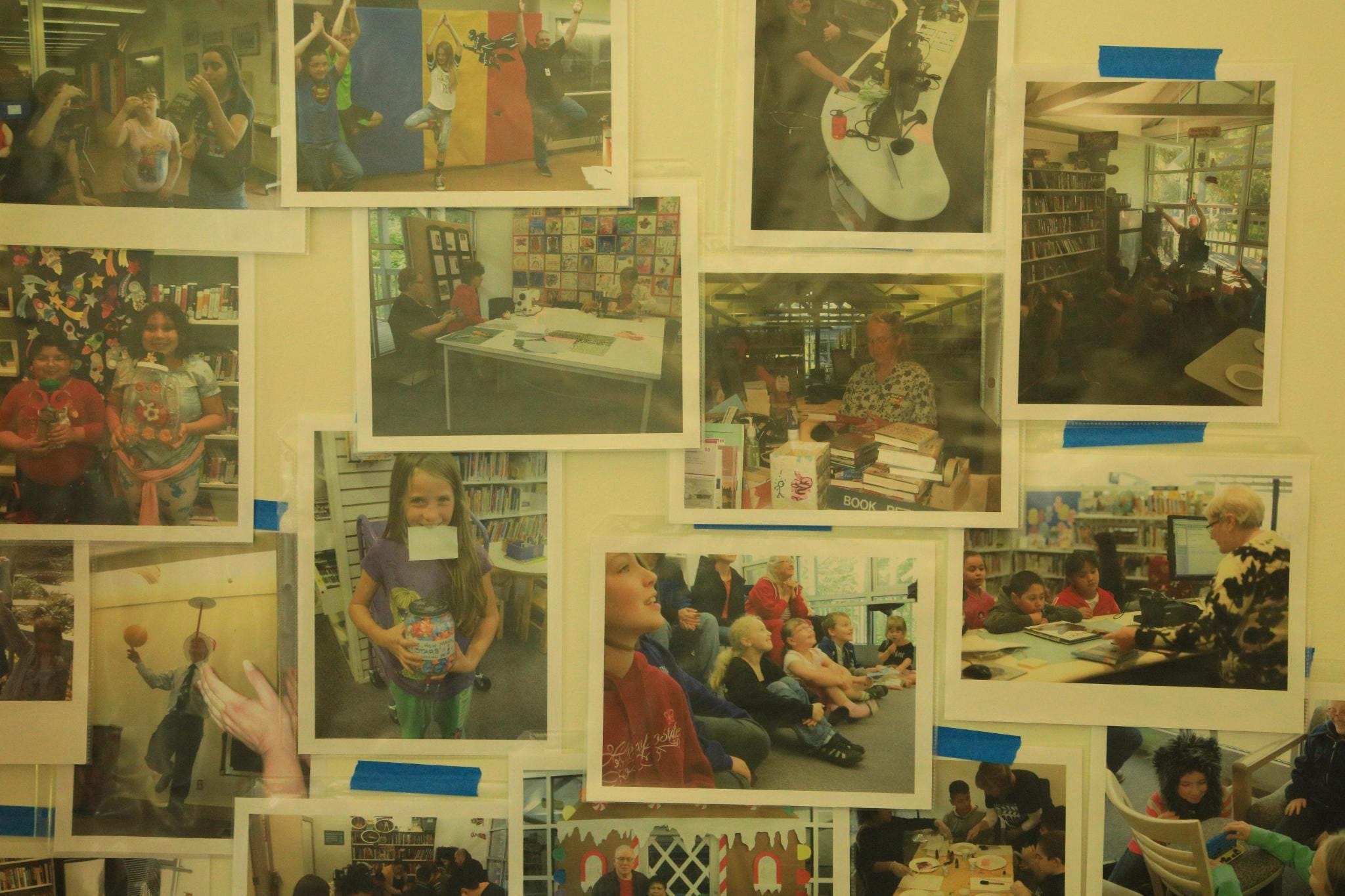
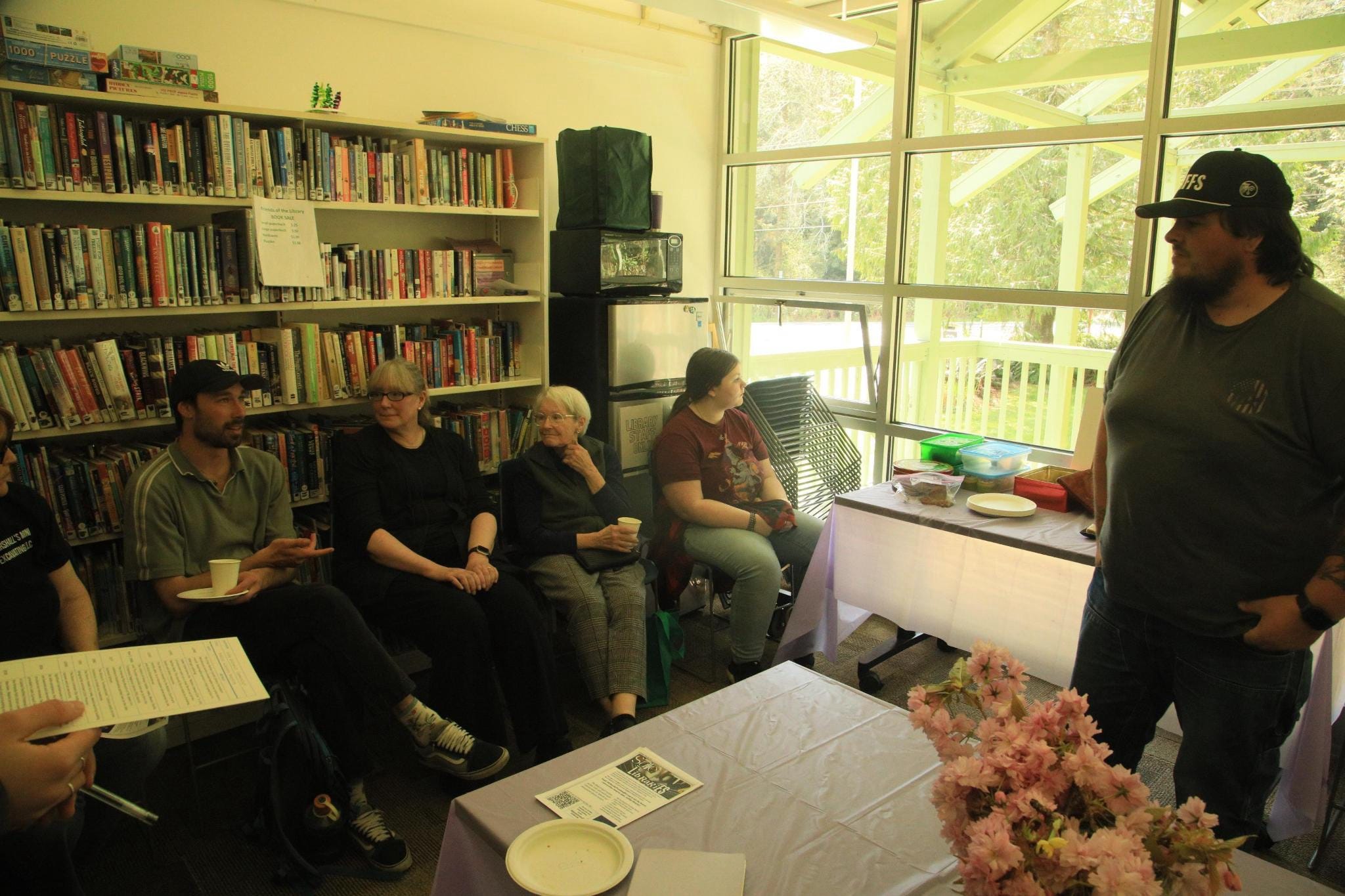
The Friends of the Library had planned an appreciation party for April 24 in light of its likely closure, but the mood was lighter and more cheerful upon the morning’s good news. Patrons, library staff, students and other community members filled the library with chatter, eating baked goods, looking through albums of archival documents from the library’s history. As local high school students watched a slideshow of old library photos, many recognized themselves from years ago. One student recounted monthly story time at the library, remarking, “it was one of my favorite memories.”
Aja Wright, a 9th and 10th grade teacher at the Lake Quinault School, a public K-12 school of 223 students in Amanda Park, brought her class to the appreciation party on April 24. “Because of the funds for our schools, our [school] library is not robust,” she said, “The way we get a robust library is here. ... If we weren’t part of a bigger system, this library wouldn’t be that great. This is an amazing resource.”The TRL system provides the Amanda Park branch with more resources than local property taxes could. This allows for a wider book collection, engaging programming, and library staff dedicated supporting patrons with questions, research, and technology.
Kameme Ogemahgeshig, Post-Secondary Specialist in the Education Department of the Quinault Nation, shared her thoughts connected to the unique geography and community of the region. “It’s a scatter of small little towns, and everybody knows each other all up and down the beach, Amanda Park and up to Quileute and La Push. You kind of just know because it’s so small here,” she said. “I do think that that library is absolutely important. And I do think that a staff member is absolutely important there in that little town.”
Years ago, library staff from all TRL branches wrote monthly reports of “service stories,” important moments from the library services they provided. At board meetings, Trustees read these stories to learn more about each branch and the impact of its work. A January 2012 story from the McCleary library — which had been slated to be transitioned to EA only along with Amanda Park and Hoodsport — ls of a patron who came into the library panicking after a doctor’s appointment, thinking the doctor had told him he was going to die. The librarians helped him figure out the doctor had not in fact told him that his life was in danger. “He was really happy to have a resource in ‘plain English,’ and he was better prepared to ask questions when the clinic called him back,” the service story recounts. If the McCleary branch transitioned to EA access only, this service would be gone.
Protecting Rural Libraries Now Helps Protect All TRL Libraries
The Patron Coalition and union are using arguments similar to those of the rural libraries that pushed back against the CFP eight years ago.
The notion that rural communities deserve access to an open, staffed libraries seems so uncontroversial it is hardly recognizable as a contentious point. However, this view of libraries is in stark opposition to a long-running narrative from the TRL administration: Because rural libraries serve fewer patrons, directing resources towards these branches is generally not money well spent.
Brooke Pederson, former manager of the Amanda Park library, reflected on this: “There will be days in a rural library when only a handful of people come in; but the point is that they have the same opportunity of access to services as an urban library user,” she said. “I’m tired of hearing, ‘but the numbers don’t support it.’ … It’s about future attendees and future needs. It’s about letting people know that every single community member is valued and has access to information, education, and entertainment.” Thinking about the broader question of what libraries are supposed to do, she continued, “a business model for libraries, consolidating services and staff to urban centers, valuing workflow or efficiency over customer service, pokes at the foundation of what libraries stand for: equitable access to information.”
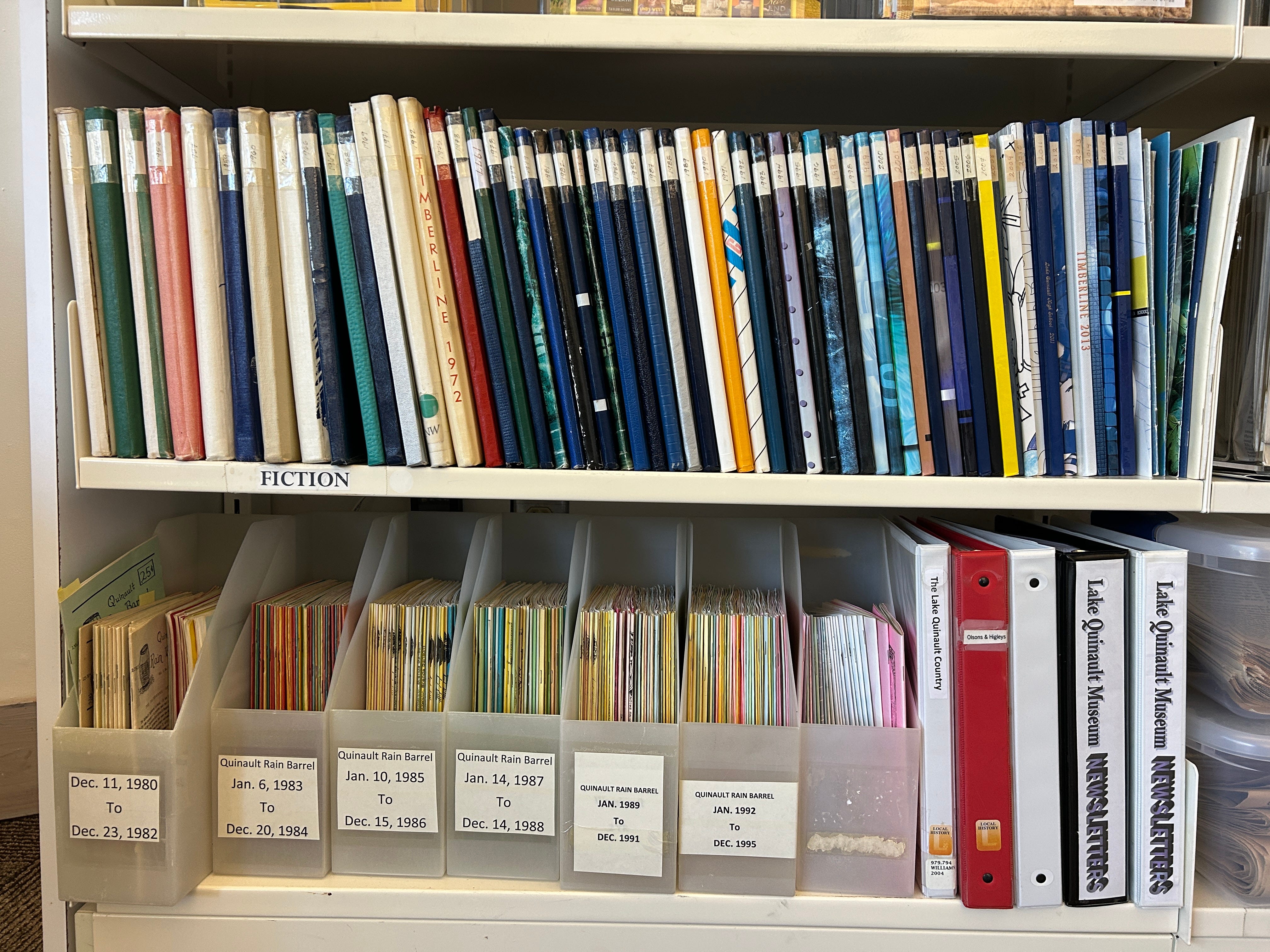
As the TRL administration has adopted more business model like priorities over the last eight or so years. Rural branches have consistently organized against closures and reduced services. The 2018 Capital Facilities Proposal (CFP) slated almost every rural branch in the system for closure or major reduction in services. In 2024, the South Bend library was closed when mold was discovered in the basement, but has yet to reopen. A few months later, the Naselle library was also closed and switched to entirely unstaffed EA hours, a move strongly opposed by residents, librarians, and AFSCME Local 3758B. A timeline of the Amanda Park branch’s history created by library staff lists at least three threats of closure since 2016. The most recent is March 2026, when the Amanda Park, Hoodsport, and McCleary were slated for transition to full EA hours.
Today, with a $3.8 million budget shortfall, both rural and urban libraries across the TRL system are facing the threat of major staffing cuts and closures, meaning more pokes at their foundational function: providing equitable access to information. But organizing across the TRL system is making effective progress in stopping the damaging cost-cutting proposals introduced by the TRL administration in February 2026. “Pressure from the union and pressure from the public, in particular the Patron Coalition for Local Libraries, is what has led to the resignation of the executive director and the pause in the majority of layoffs,” said a current TRL employee, referred to here as Librarian C.
As explored in the April issue of Works in Progress, many librarians and advocates, specifically those with experience working in rural branches, saw the administration’s cost-cutting proposals in 2026 as a way of “reverse engineering” the proposals they put forward in their 2018 CFP, which was intended to lay off large numbers of library staff and slated almost every rural branch in the system for closure or major reduction in services.
The Patron Coalition and union are using arguments similar to those of the rural libraries that pushed back against the CFP eight years ago. Libraries are about more than checking books in and out, organizers and advocates say, they are about the relationships, conversations, and community connections they help build. “How can a library that is closed to young patrons ... be one that gives the right book, at the right time, into the hands of a reluctant reader?” questioned Rich McConnell, a Quinault resident and Amanda Park library patron, “A library that is not based on relationship is one that will wither and die.”
Over the past few years, the TRL administration’s increasingly out-of-touch policies have also impacted TRL branches serving higher population areas. A current TRL library assistant working in higher-population branches, referred to here as Librarian B, shared that over the past four years, administrators have reorganized library positions so that library staff have less time to spend with patrons.
Librarians have been asked to take on more responsibilities with outreach, while library assistants have taken on more circulation and patron-service jobs, notably increasing their workload. At the same time, library refreshes have consolidated the information and circulation desks into one desk used for all purposes, Librarian B said. “[Patron wait] times have lengthened because we just don’t have enough staff to be able to answer your question or be able to help you out,” they said.
From Amanda Park to downtown Olympia, the TRL administration’s policies have been diminishing the quality of staff-patron interactions, moving resources away from community-informed needs, and worsening work conditions for library staff, advocates and former library staff say. To focus on changing this, the Patron Coalition and union link very different library branches’ struggles together, creating a wide coalition of places, stories, and patrons united under the strong demand that libraries should be based in relationship.
Some of the Patron Coalition’s strategies aim to change TRL leadership. The library system should be guided and run by people who all have on-the-ground experience working in public libraries, said Rachelle Martin, former TRL employee and organizer with the Patron Coalition. “When you have people running the organization that don’t understand truly, [how working in a library means] watching people’s lives transform in front of you, you’re going to think that a library is just a building with books in it,” said Martin.
This means hiring administrators who have experience working in the TRL system (currently, most of the administrative staff do not), and selecting Trustees who understand the board as a “working board,” not just an entity designed to rubber stamp decisions, Martin said. Recent emails from the Patron Coalition also say this means firing administrators Brenda Lane and Andrea Heisel, who, along with former director Heywood, helped design and implement many of the plans to close and cut services to libraries since 2018.
Along those same lines, the Patron Coalition is calling for more transparent and accountable leadership structure. As TRL stands right now, Martin said, “they’ve designed this system where they’re blameless… who’s really steering the ship?”
Another important part of the Patron Coalition strategy is presenting viable alternatives for the current budget crisis. In early April, Martin drafted a strategic plan that would save almost $2.8 million in the library’s current budget, and reverse all front-line staff layoffs. The plan saves money mainly by cutting high-salary positions at the TRL service center, while still sustaining all the service center and administration’s normal functions.
The Patron Coalition and union are also clear in their support for preserving the system of Timberland Regional Library as a whole. Established in 1968, TRL was voted in as an Intercounty Rural Library District, “specifically created to provide library services in unincorporated areas outside of city limits” according to its website. Under this setup, Thurston County, the economic driver of the region, helps fund libraries in the other four counties whose taxes would not be able to fund libraries with such extensive services. “It’s revolutionary,” said Martin. “This is something really worth preserving.”
“For many years, the amazing things that happen every day in Timberland libraries are in spite of a toxic leadership that resents, distrusts, and looks down on the workers,” said Librarian C. “Ultimately, we are part of a larger struggle. What is happening at Timberland is happening at all levels, across the country. At stake is freedom of information and free access to essential resources, for all of us.”
Caelen McQuilkin is a reporter from the high desert of eastern California who has loved the green of Olympia since moving here in August. They love reporting as a way to build connections while reflecting a place's complex picture.