

Layoffs Avoided After Shelton School Levy Passes, but Budget Issues Persist
by Matt Hilton
Following weeks of budget uncertainty, the Shelton School District has determined that a board-approved reduction in force (RIF) will not move forward. The district shared that enough staff members retired or resigned to avoid layoffs for the upcoming school year.
This is a relief to teachers and students. Yet lower enrollment, state cuts, and district administration priorities means this problem is not fully solved. And a question remains: Why was a RIF proposed even after voters approved a local levy?
What Happened
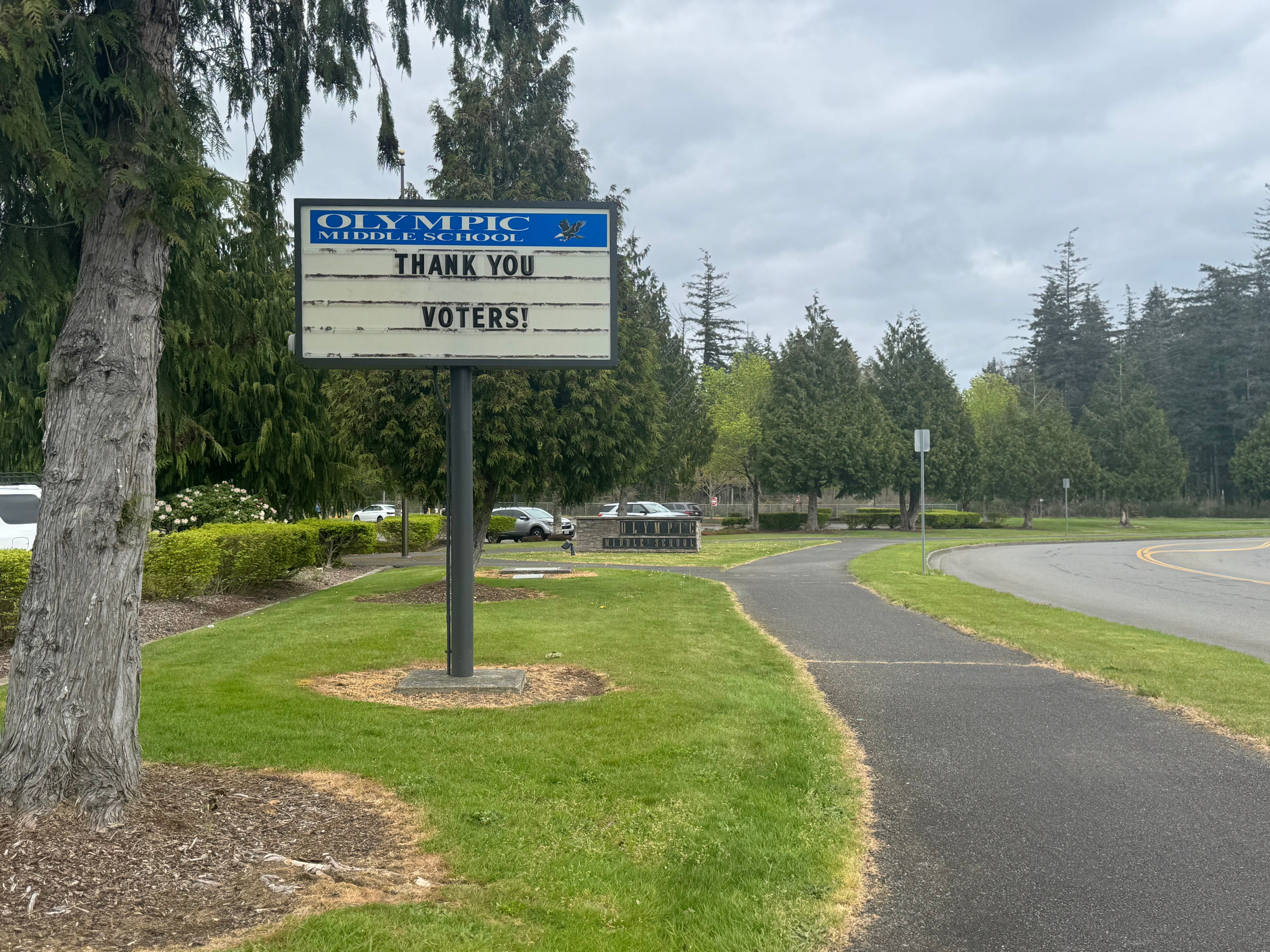
On Feb. 10, Shelton voters passed a local levy to preserve school programs and protect staff jobs. The community groups Citizens for Shelton Schools and the Shelton Education Association (SEA) informed the public about the importance of the levy through door-knocking outreach and a social media campaign. The levy passed with 62% “yes” votes, a victory for supporting Shelton schools.
Shut Down ICE & CBP Collaborators

by Lalo Cuitzeo
Collaboration from private corporations is essential to the daily operations of the US detention and deportation machine. Tracking down and confronting Immigration and Customs Enforcement (ICE) and Customs and Border Patrol (CBP) agents engaging in abductions can be difficult to arrive to in time, and leads to higher risk of arrest and injury. But corporate targets have stationary addresses and often lower defensive capabilities. People willing to take action must raise the social costs of any entity that assists ICE and CBP.
Corporations like Geo Group and Global X Air directly facilitate detentions and deportations, while tech companies provide the software used to track and target immigrants for abduction. Another such example is Hilton Hotels and Resorts, who provide ideological and logistical support to ICE and CBP. They do so by welcoming its agents to stay there, as well as punishing subsidiaries for taking actions in support of immigrant communities. For these reasons, the Doubletree by Hilton Olympia was targeted on March 28, 2026.
“A Library That is Not Based on Relationship is One That Will Wither and Die”: Rural TRL Libraries’ Longstanding Demands Lead Calls For Change Across the System After Layoffs Canceled

by Caelen McQuilkin
“Many of you signed the petitions placed in local stores recently and these have been delivered to the Timberland Board. But the power of individual letters is mighty indeed and a few letters to follow up the petitions might mean the difference in getting a library. So how much do you want it? Tell the board,” reads an article in the 1973 issue of The Quinault Rain Barrel, a local newspaper in the Amanda Park community.
Four years following the letters and petitions, the first Amanda Park Timberland Regional Library branch opened as a bookmobile by the Lake Quinault School. In 1991, the branch was expanded into a permanent building with full services and community support for the local library has continued strongly since then, but in the past decade the Amanda Park library has faced at least three threats of closure or major cuts. Community members have been continually forced to remind the board and administration why the library is important to them, just as they did in 1973.
Today, patrons across the entire Timberland Regional Library (TRL) system are hearing calls to protect local libraries from staffing cuts and closure. After the TRL admins announced a budget shortfall of about $3.8 million in January 2026, they attempted to lay off 61 frontline staff and transition three rural libraries to unstaffed libraries only accessible to “Expanded Access” (EA) card holders.
Stay tuned! Thursday May 14 12-1pm 89.3FM
Managing Editor, Arlo Dolven and a few Works in Progress staff writers will be hitting the air waves with Kim Dobson’s Parallel University on KAOS 89.3FM.