

North Thurston School Staff Face Layoffs After Revelations of Budget Shortfall
by Isaac Wagnitz
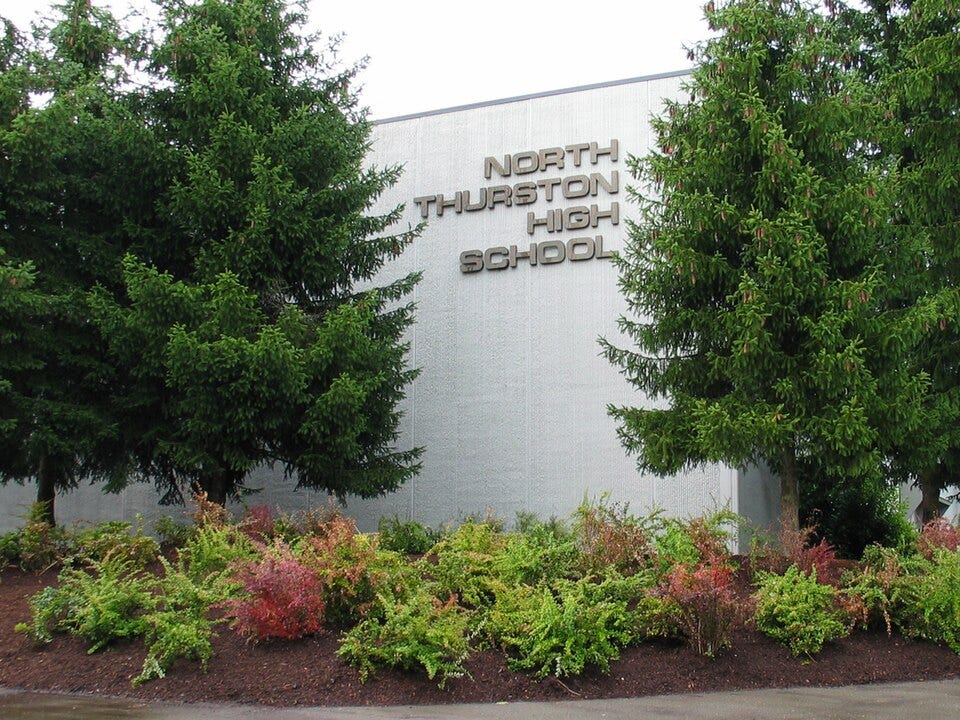
Staff at North Thurston Public Schools (NTPS) are looking at layoffs after the school board decided on a reduction in force (RIF), as part of their plan to address a significant budget shortfall in the district.
According to The Olympian, the district is currently facing a $10 million shortfall. The layoffs were first proposed at a school board meeting on April 28th, but were tabled due to substantial opposition from organized labor and present community members. At a subsequent meeting on May 7th, the board decided to follow through with the RIF. Initially the board had been at an impasse, but board member Michelle Gipson ultimately cast the tie-breaking vote in favor of the layoffs. Members Sarah Tracy and Gretchen Maliska also supported the RIF, while Esperanza Badillo-Diiorio and Jeff Line cast their votes in opposition.
Works In Progress spoke with two NTPS staff about the current situation: Jeff Berland, a special education teacher in the district, and another employee who declined to be named due to concerns about retaliation who will be referred to hereafter as E for Educator. Berland and E discussed the background and impacts of the RIF, as well as steps moving forward.
Fragments of a Working-Class Queer History
by Coco N. Spirator
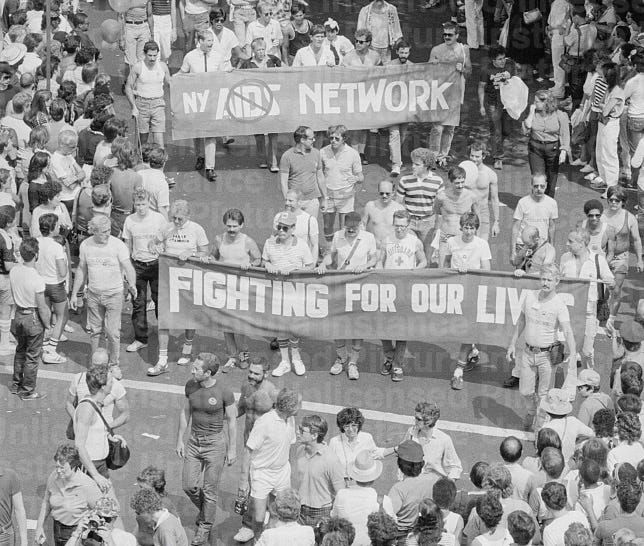
Historically, the fights for queer liberation and for working-class power are seen as completely separate struggles, with completely independent demands. Yet, most queers in the United States are, and always have been, working class. Additionally, queer people also make up the most economically marginalized members of the working class. In reality, the history of queer struggle is often about tangible day-to-day concerns: work, living, housing, policing and access to healthcare. In other words, working-class issues. This oversight is particularly dangerous right now, as attacks on trans existence have become a central pillar of the right-wing movement.
What follows is a small collection of scenes from the history of queer struggle that demonstrate how the material realities of class and race informed those struggles. Although these movements rarely utilized many working class slogans, it was these day-to-day realities that brought people together into larger fights for queer liberation, and affected the kinds of movements they built. Unfortunately, these concerns were just as often also the basis of class divisions that would tear those movements apart again and again. There are important lessons to be learned here.
Noticings: A Column About Public Space and Design — The City’s Back Door
by V Lane Hoy
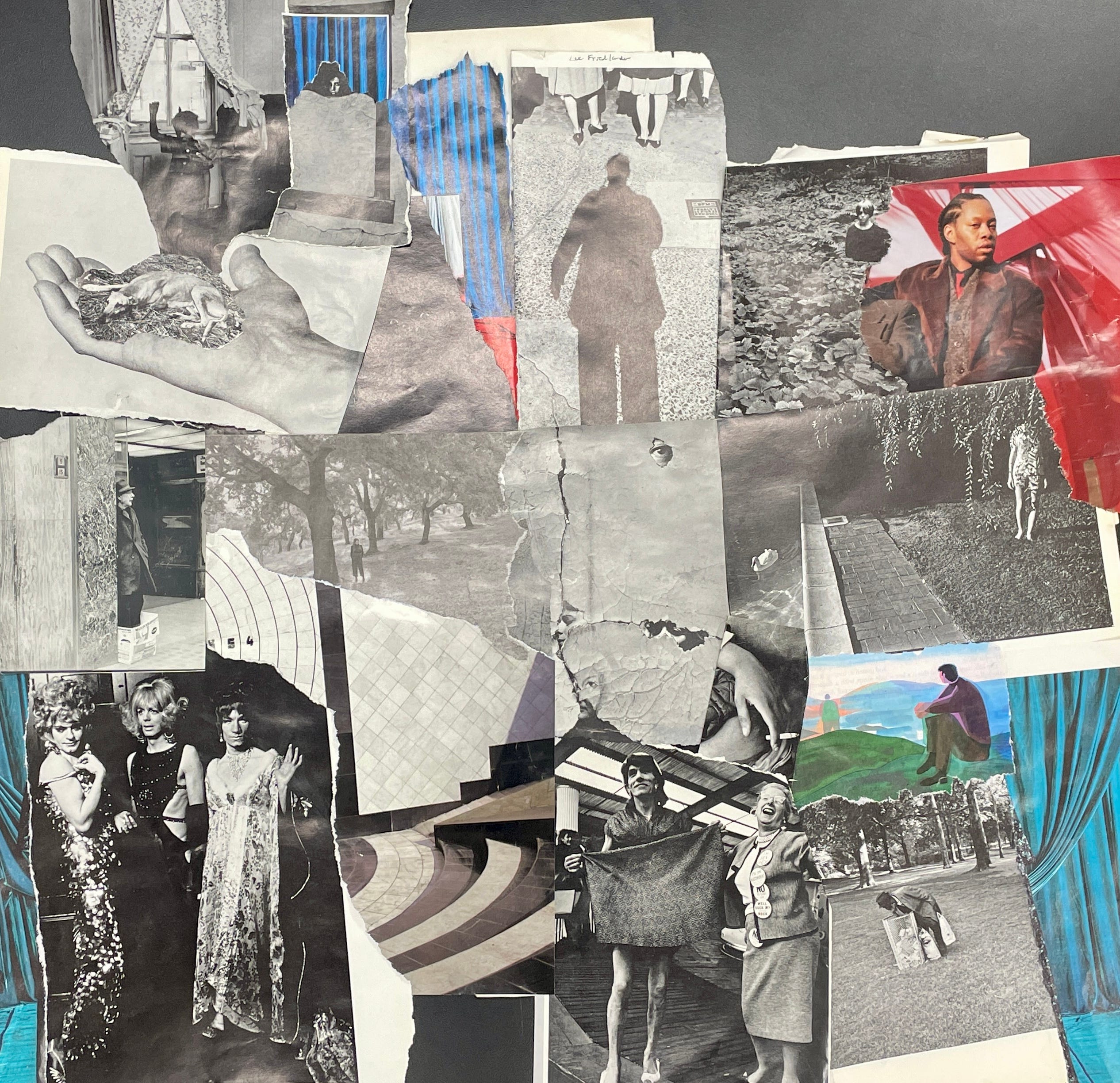
During a seminar on the subject of public art in the late 1990s, art historian Rosalyn Deutsche outlined how a renovation of Jackson Square Park in New York City’s West Village introduced a new gate around the park’s perimeter. The New York City Parks Department entrusted a community group with keys to close the gate at night and prevent houseless people from taking refuge there. This was but one of the ways the underfunded parks department offloaded maintenance tasks they weren’t able to accomplish in-house due to ongoing budget cuts initiated in the late 1960s. Deutsche uncovers one of the assumptions embedded within that decision: ”People without homes are not residents of the neighborhood and are therefore not part of the public. Rather, homeless people are intruders in public space.”
Prison Reformism: The Molding of Docile Prisoners
by Tomas Afeworki

In the not so distant past, many recognized the inhumane, militaristic oppression that was embedded into the fabric of the prison slavery system.
This recognition produced political awareness about the social, economic and cultural impacts of poverty. That awareness influenced many of us to radically defy this unjust status quo.
Follow us on Instagram!